



How Reusable Packaging Reduces Festival Waste
Reusable packaging is helping festivals tackle the massive waste problem caused by single-use plastics, food containers, and disposable items. Events like Reading Festival generated 702 tonnes of waste in 2024, and Glastonbury used 1.3 million plastic bottles in 2019. By replacing disposables with reusable cups, plates, and cutlery, festivals can cut waste, lower carbon emissions, and save money over time.
Key Points:
- Reusable systems: Durable items like cups and plates are distributed, collected, and cleaned for reuse.
- Deposit-return schemes: Attendees pay a small fee refunded upon returning items, ensuring high return rates.
- Impact: Festivals like Ghent reduced waste per visitor by 40%, while Cambridge Folk Festival kept 40,000 plastic cups out of landfill annually.
Reusable packaging isn’t just practical - it’s a step towards cleaner, waste-free festivals. Organisers can also improve attendee engagement with incentives, clear communication, and eco-friendly merchandise like reusable towels.
How Can Music Festivals Reduce Single-use Plastic Waste? - We Go To Festivals
How Reusable Packaging Works at Festivals
Reusable packaging swaps out single-use items for durable alternatives that can be used multiple times at festivals.
When festival-goers buy a drink or meal, they’re given a reusable container - whether it's a cup, plate, or food box - made from sturdy materials like polypropylene or stainless steel. After using these items, attendees return them to designated collection points, where they are washed, sanitised, and prepared for reuse.
This system directly addresses the waste problem. Packaging alone accounts for around 40% of plastic and 50% of paper consumption in Europe. Festivals, with their high volume of disposable waste, only add to the issue. Reusable packaging significantly cuts down on this environmental strain.
Types of Reusable Packaging
Reusable options come in various forms to suit the needs of festivals:
- Reusable cups: These are the most common solution, replacing disposable cups with durable materials designed for repeated use.
- Food containers and plates: These alternatives reduce waste while making collection and cleaning more efficient.
- Cutlery sets: Reusable forks, knives, and spoons eliminate the need for throwaway utensils.
- Specialised containers: Items like reusable takeaway boxes allow attendees to store leftovers, further reducing waste.
Benefits of Reusable Packaging
The key advantage of reusable packaging lies in its ability to cut waste. By eliminating single-use items, these systems help lower the environmental impact of packaging. This approach tackles Europe’s high consumption of plastic and paper while addressing the surge of disposable waste created during festivals. Additionally, reducing plastic waste helps prevent the long-term damage it causes to water and soil.
Setting Up Reusable Packaging Systems at Festivals
Creating a reusable packaging system for festivals means planning for every step of the process - from handing out items to washing, storing, and getting them back into circulation. Here’s how to set up effective systems for cleaning, collection, and returns.
Washing and Collection Systems
To make it easy for festival-goers to return reusable items, place collection points in busy areas like food stalls and near main stages. Use clear signs and separate bins for different items, such as cups, plates, and cutlery. Depending on the event’s scale and resources, you can choose between on-site or off-site cleaning.
On-site washing gives organisers more control over cleanliness. A multi-step process - pre-rinse, main wash, and final sanitisation - handled by staff trained in food safety ensures high standards. Alternatively, off-site cleaning involves gathering used items during the event and sending them to a professional facility. While this reduces the need for on-site washing equipment, it requires well-organised transport and inventory management.
Storage is another critical element. Clean items should air dry in covered spaces to prevent contamination and weather damage before being redistributed. Staffing needs will vary depending on the system - on-site setups require dedicated teams for washing and collection, while off-site systems demand reliable transport coordination and inventory tracking.
Deposit-Return Schemes for Attendees
To encourage attendees to return reusable items, financial incentives work well. Deposit-return schemes charge a small fee when items are purchased, which is refunded when they’re returned - helping to minimise waste.
For these schemes to work smoothly, clear communication is key. Signs at entry points, vendor stalls, and collection stations should explain how the system works. Staff should be prepared to answer questions, and using digital payments or tokens can make the process faster and more efficient.
Efficient logistics are also essential. Having multiple staffed return points ensures short queues, while robust inventory tracking keeps everything running smoothly and ensures stock levels remain manageable throughout the event.
Getting Festival-Goers to Use Reusable Packaging
Even the most carefully designed reusable packaging systems can fall flat if festival-goers don’t embrace them. The key to success lies in clear communication and offering incentives that make participation simple and rewarding.
Education and Communication
Getting the message across before the event is crucial. Festival organisers should promote their events as single-use plastic-free through emails, social media, and ticket confirmations. This not only sets expectations but also appeals to eco-conscious attendees.
Take Gentse Feesten as an example. By introducing a €1 deposit on reusable cups and effectively communicating this via multiple channels, they managed to cut waste by 27%, reducing it by 15 tonnes.
At the event itself, clear and consistent messaging keeps the system front of mind. Signs placed at entry points, vendor stalls, and collection stations explain how the reusable system works. Regular announcements - whether over the tannoy or between performances - remind attendees where to return items and how the deposit scheme operates. Visual aids, like clearly marked return points, make the process even more intuitive.
The Estonian XIII Youth Song and Dance Festival took this a step further with 11 well-signposted collection points. This effort led to the return of over 400,000 items, preventing nearly 500,000 disposable dishes from going to waste.
While clear communication lays the groundwork, it’s the incentives that keep people engaged.
Incentives and Rewards
Glastonbury made headlines in 2019 by banning single-use plastic bottles, eliminating millions of waste items in one move. Vendors were also required to use compostable or reusable serveware, and water refill stations were provided to make sustainable choices both easy and attractive.
Deposit schemes can be enhanced with loyalty programmes and discounts. For example, offering small discounts on food or drinks to attendees who consistently use reusable items, or setting up a points system that rewards waste-reduction efforts with perks like exclusive merchandise, can make sustainable behaviours more appealing.
Streamlining the process also helps. Integrating deposit systems with wristbands or payment cards not only reduces queues but also makes it easier to track participation and measure the programme’s success.
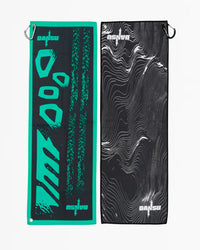
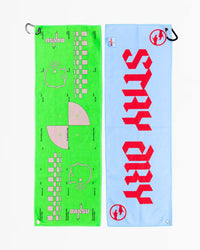
Custom merchandise can play a role too. Dansu’s quick-dry microfibre rave towels, for instance, replace disposable paper towels and double as practical festival gear. Offering items like these as rewards reinforces the festival’s commitment to sustainability while giving attendees a lasting reminder of their experience.
These efforts don’t just encourage participation - they actively contribute to reducing festival waste. Collaborating with food and drink vendors to provide incentives for using reusable packaging, and ensuring vendors are equipped to communicate the system’s benefits, turns every transaction into a chance to promote sustainability. Together, these measures help build a culture of waste-free festivals.
sbb-itb-ed87f5d
Measuring the Impact of Reusable Packaging
Tracking the success of reusable packaging systems requires detailed, data-focused metrics. Festival organisers need solid evidence to validate their investments and highlight the tangible environmental benefits.
Waste Reduction Results
One of the most telling indicators is the waste diversion rate - the percentage of waste redirected from landfill to recycling or composting streams. This metric offers a straightforward way to gauge the effectiveness of a reusable packaging system.
To refine tracking, tools like QR codes, RFID tags, or IoT devices can monitor returns, reuse rates, and environmental outcomes in real time. These technologies provide actionable insights into system performance.
Another valuable approach is Material Flow Analysis (MFA). This method follows the movement of reusable items, like cups, through the system, highlighting losses, damages, and return rates across different reuse models. For instance, data from Lithuanian festivals revealed that fully refundable reuse models experienced just 3.1% cup loss compared to over 22% in non-refundable setups. Clearly, financial incentives can significantly boost return rates.
For a broader perspective, the Material Circularity Indicator (MCI), developed by the Ellen MacArthur Foundation, evaluates how effectively materials are kept within a circular economy. Higher MCI values point to greater material reuse and less waste.
Context plays a crucial role in interpreting these results. On average, a festival attendee generates 2.8kg of waste per day. Analysing waste outputs by area or vendor can help organisers identify high-performing zones and areas needing improvement. This level of detail allows for smarter planning in future events.
Reusable items also prove their environmental worth over time. For example, a reusable cup surpasses a disposable PET cup in environmental performance after just three uses and outperforms cardboard alternatives after approximately 9–14 uses. After 10 uses, a polypropylene cup has a much lower environmental impact compared to single-use options.
Sharing these statistics post-event can amplify their impact. Publishing waste diversion rates and success stories fosters trust and enthusiasm among attendees, encouraging further sustainable behaviour.
Beyond the environmental wins, these metrics also reveal significant financial benefits.
Cost Savings
The financial advantages of reusable systems are clear. Using data and technology to forecast demand accurately can prevent over-ordering of single-use items, cutting down on excess inventory and unnecessary emissions. This directly saves money while reducing waste.
Collected data also helps pinpoint inefficiencies, guiding organisers towards smarter purchasing decisions for future events. Knowing where resources are wasted ensures better budget allocation next time.
Recycling statistics further strengthen the case for reuse. Currently, only 32% of single-use PET cups at UK festivals are recycled. Additionally, the European Court of Auditors has warned that updated recycling calculations could drop reported plastic packaging recycling rates from 42% to 30% across EU member states. These figures highlight the financial and environmental risks of relying on recycling instead of reuse.
To ensure success, organisers need a clear plan. Setting defined goals, selecting the right technology, and thoroughly tracking data are key steps to monitoring progress and achieving meaningful outcomes. This structured approach validates the investment in reusable systems.
One creative example is Dansu’s quick-dry microfibre rave towels, which replace disposable paper towels. These towels not only reduce waste but also enhance brand perception, proving that reusable packaging can align with both sustainability goals and positive attendee experiences.
Dansu's Contribution to Festival Waste Reduction
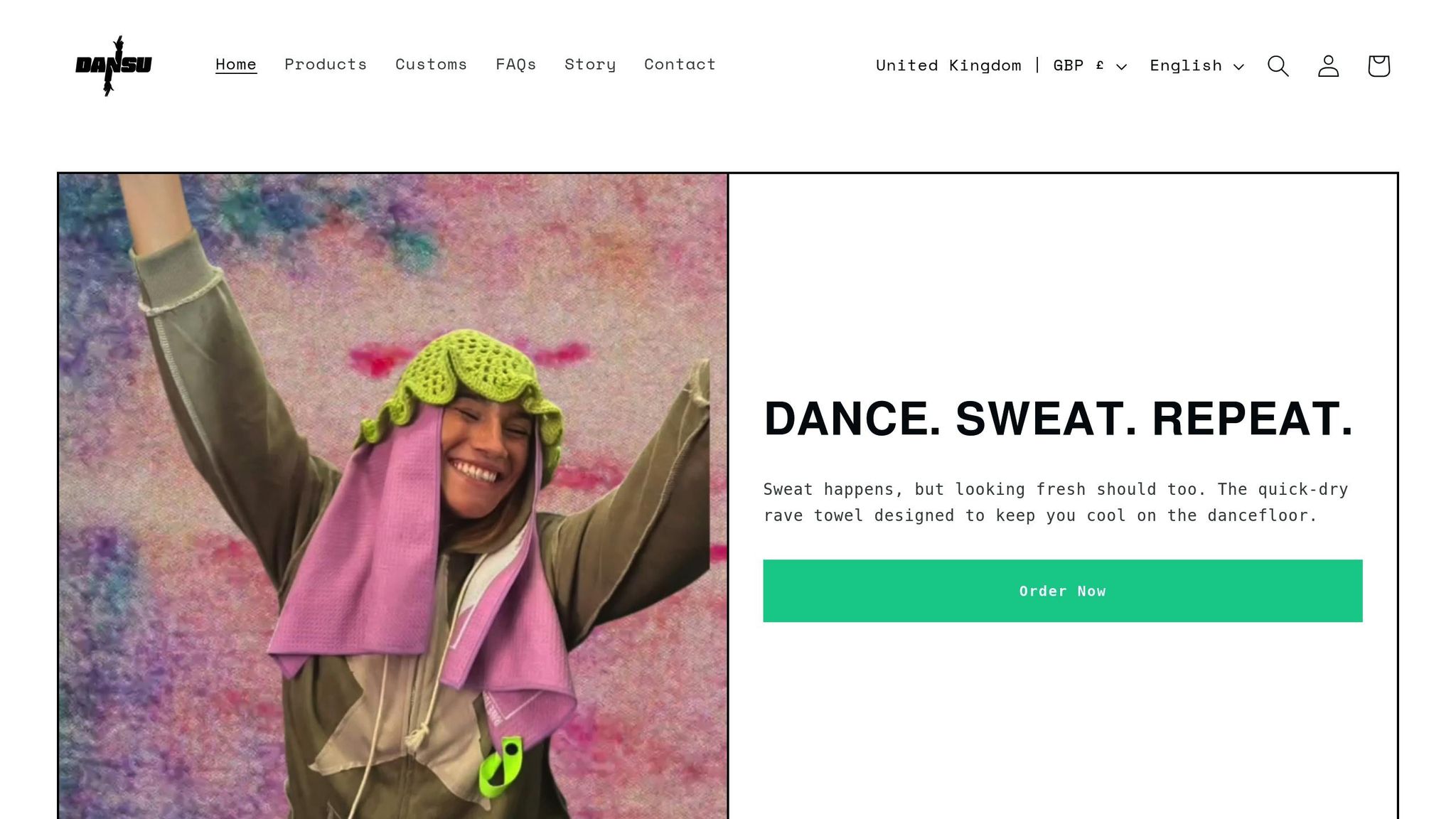
Dansu is making waves in festival waste reduction with its innovative approach, complementing reusable packaging systems. One standout product is their quick-dry microfibre rave towels, which tackle the often-overlooked issue of disposable paper towels and wipes.
At festivals, disposable wipes and paper towels are a go-to for attendees dealing with sweat and grime after hours of dancing or long days under the sun. Unfortunately, these single-use items pile up quickly, adding to the waste that organisers are trying hard to minimise. Dansu towels offer a practical, eco-friendly alternative that fits neatly into the reusable packaging movement.
Why Dansu Towels Are Ideal for Festivals
Dansu towels are designed specifically with the needs of festival-goers in mind. Made from ultra-absorbent, quick-dry microfibre, these towels are perfect for sweaty dance sessions, allowing multiple uses in a single day. This reduces the reliance on disposable wipes or frequent purchases of paper towels.
Their compact and lightweight design makes them easy to pack and carry, while their fast-drying capability ensures they’re always ready for reuse. A built-in metal grommet adds convenience, letting users hang their towels at campsites to dry quickly between uses.
But it’s not just about function - Dansu towels also bring flair. Inspired by dance music culture, they feature bold, high-contrast designs that festival-goers are proud to show off. Instead of being hidden away as purely practical items, these towels become part of the festival vibe.
Durability is another major advantage. A single Dansu towel can replace hundreds of disposable wipes over its lifetime, making a noticeable dent in solid waste. They’re machine washable and built for repeated use, offering a cost-effective option for regular festival attendees.
Research backs the impact of reusable systems, showing they can cut waste by as much as 40%. Dansu towels fit right into this framework, addressing a waste stream that often gets overlooked. Their thoughtful design not only reduces waste but also offers a perfect canvas for custom festival branding.
Custom Towels for Festival Organisers
Dansu also provides a custom towel service, allowing festival organisers to create branded, eco-friendly merchandise with no minimum order requirements and quick turnaround times.
These custom towels are a fantastic option for VIP gifts, staff use, or general merchandise that attendees will actually want to keep and reuse. Unlike disposable promotional items that often end up as litter, these towels provide lasting value, extending their usefulness well beyond the event.
For festivals already implementing reusable packaging systems, custom towels add another layer by addressing personal hygiene needs that items like reusable cups or plates can’t cover. They also serve as a visible reminder of the event’s commitment to sustainability.
From an economic perspective, the benefits are clear. While reusable towels might require a higher initial investment compared to disposable options, they can lead to significant long-term savings by cutting waste management costs. Plus, organisers can generate additional revenue through merchandise sales, all while promoting their eco-friendly initiatives.
Dansu’s custom towels combine functionality, style, and cultural relevance, making them a standout choice for organisers looking to align their branding with sustainability. By turning these towels into desirable items rather than throwaway products, Dansu helps ensure they’ll be used and reused, reinforcing the push towards waste-free festivals.
Conclusion: The Future of Waste-Free Festivals
Reusable packaging systems are transforming the landscape of UK festivals. Take the Ghent Festival, which managed to cut waste per visitor by 40%. Or the Sheffield Food Festival, achieving a 90% return rate and slashing 383 kg of CO₂ emissions in just three days. Then there’s the Cambridge Folk Festival, where a deposit-return scheme keeps over 40,000 plastic cups out of landfill every year. Across the Channel, the Estonian XIII Youth Song and Dance Festival prevented nearly half a million disposable dishes from becoming trash.
Building on these impressive results, technology is stepping in to refine the process even further. Tools like QR codes, dedicated apps, and real-time tracking systems are making reusable schemes smoother and more efficient. When paired with well-organised deposit-return programmes and clear, effective communication, these innovations are pushing return rates to new heights.
Sustainability doesn’t stop at packaging. Festival essentials like Dansu’s quick-dry microfibre towels show how even personal hygiene can be reimagined. By replacing disposable wipes and paper towels with reusable alternatives tailored for festival-goers, organisers can address often-overlooked waste streams while offering practical, stylish solutions. This kind of thinking ties into a broader strategy to reduce waste across the board.
To make this vision a reality, organisers need to focus on several key areas: implementing reusable systems, ensuring efficient washing and collection processes, securing strong vendor agreements, and educating attendees clearly. Festivals taking these steps aren’t just cutting waste - they’re creating cleaner, more enjoyable spaces for audiences who care about the planet.
The festivals embracing these changes are proving that sustainability isn’t just a challenge - it’s an opportunity. With the right tools and strategies in place, they’re not only reducing their environmental footprint but also engaging communities and leaving a lasting positive impact. The movement towards waste-free festivals isn’t just a distant goal; it’s already happening.
FAQs
How do deposit-return schemes help reduce waste at festivals?
Deposit-return schemes are a practical solution to encourage festival attendees to return reusable items like cups, plates, and cutlery. The idea is simple: attendees pay a small deposit when they take these items, which they can reclaim by returning them to designated collection points. This system helps cut down on single-use waste while ensuring reusable items are collected, cleaned, and put back into use.
Beyond reducing waste, these schemes promote a mindset of sustainability among festival-goers. By opting for reusable items and participating in these initiatives, attendees play a direct role in creating cleaner and more eco-friendly events.
How does using reusable packaging at festivals help reduce waste and support eco-friendly practices?
Using reusable packaging at festivals is a game changer for waste reduction. By cutting out single-use items like disposable cups, plates, and cutlery, festivals can dramatically decrease the amount of rubbish piling up. This doesn’t just mean cleaner festival grounds - it also means less waste ending up in landfills or being incinerated, both of which can have lasting environmental consequences.
Reusable alternatives also encourage festival-goers to adopt greener habits, creating a shift towards a more environmentally conscious festival culture. Over time, this can reduce the demand for disposable products, saving resources and cutting down on the carbon emissions tied to their production and transport. When festivals embrace reusable packaging, they’re not only making a statement about sustainability but also improving the experience for attendees by fostering a cleaner, more responsible atmosphere.
How can festival organisers encourage attendees to use reusable packaging systems?
Festival organisers can inspire attendees to adopt reusable packaging systems by making these choices easy, accessible, and even fun. Simple steps like using clear signage, frequent announcements, and pre-event updates can help explain how the system works and highlight its environmental perks. Adding a little extra motivation, like offering discounts on food or drinks for those using reusable containers, can make a big difference in participation.
For festival-goers, being prepared with essentials can make all the difference. Take Dansu's quick-dry microfiber rave towels, for example. These towels are lightweight, compact, and super absorbent - ideal for staying fresh and energised, whether you're dancing the night away or soaking up the festival vibes outdoors.