

Festival Group Dynamics: Leadership Tips
Leading a group at a UK festival can be tricky. You’ll need to juggle personalities, unpredictable weather, and crowded spaces while keeping everyone happy. Here’s what matters most:
- Preparation is key: Set expectations, assign roles (like navigator or communicator), and pack essentials like reusable water bottles, rain ponchos, and phone chargers.
- Flexibility matters: Plans can change due to weather or delays. Be ready to adjust and keep group morale high.
- Clear communication: Use group chats, set meeting points, and check in regularly to ensure no one feels left out.
- Conflict resolution: Listen actively, use neutral language, and address issues early to avoid bigger problems.
- Practical tools: Items like Dansu quick-dry rave towels (£29.95) help with comfort and group identity.
Strong festival leadership balances preparation, quick thinking, and group care - turning challenges into shared memories.
First Follower: Leadership Lessons from Dancing Guy
Core Leadership Qualities for Festivals
Successful festival leadership goes beyond preparation - it requires the ability to adapt, communicate clearly, and create an inclusive atmosphere in the midst of unpredictable, high-energy settings. These core qualities equip leaders to handle on-the-ground challenges with confidence and ease.
Flexibility and Staying Strong
Being flexible is essential when plans shift due to unexpected circumstances like weather changes or delays. Leaders who can adjust quickly help maintain a positive vibe, ensuring the group stays engaged and upbeat, even when things don’t go as originally planned.
For example, if a headline act is delayed because of rain, a flexible leader doesn’t waste time complaining. Instead, they might suggest alternative activities, rearrange meeting points, or find a dry spot where the group can wait comfortably. By keeping the mood light, they prevent disappointment from dampening the festival spirit.
Remaining calm under pressure is just as important. Festivals can be overwhelming, with loud crowds, confusing layouts, and tired group members testing a leader’s patience. Strong leaders keep their cool when tempers flare or group members stray, knowing their attitude directly influences the group’s morale.
The trick lies in treating unexpected changes as opportunities rather than setbacks. A sudden schedule change or a shift in weather can become a chance to explore new artists, discover different areas of the festival, or create shared memories that make for great stories later. Paired with flexibility, clear communication ensures everyone stays on the same page during these moments.
Clear Communication
Direct and simple communication is key to keeping groups united in the chaos of a festival. The best leaders use straightforward language and establish reliable ways to stay in touch, such as group chats or regular face-to-face check-ins.
These check-ins don’t have to be formal - quick questions like “How’s everyone doing?” or “Ready for the next set?” can go a long way in gauging the group’s energy and ensuring no one feels left out or overwhelmed.
Clear communication also involves encouraging open dialogue. Leaders should create an environment where everyone feels comfortable sharing concerns or suggestions. This might mean actively inviting quieter group members to speak up or making space for different opinions. Addressing small issues early prevents them from growing into bigger problems later.
But good communication isn’t just about talking; it’s also about fostering a sense of belonging within the group.
Welcoming Everyone
Inclusive leadership ensures that every group member feels valued and heard. This means actively involving everyone in discussions, whether through round-robin conversations, directly asking quieter members for their input, or breaking the group into smaller teams to ensure everyone has a chance to contribute.
Acknowledging diverse needs is also crucial. This could involve accommodating dietary restrictions, accessibility requirements, or varying levels of comfort with crowds and noise. Thoughtful leaders plan activities that cater to a range of interests, rather than assuming everyone wants the same experience.
Building trust is another cornerstone of inclusive leadership. Trust grows when leaders follow through on promises, admit mistakes openly, and create safe spaces where group members can share ideas without fear of judgement. When people trust their leader, they’re more likely to speak up about problems early, allowing the group to work together on solutions.
The most effective festival leaders understand the value of participative leadership. Instead of making every decision themselves, they act as facilitators, guiding the group while giving members the freedom to develop their own solutions and norms. This approach not only enhances creativity but also fosters a sense of ownership within the group.
Group Management Checklist
Managing a festival group successfully goes beyond basic leadership skills - it takes a clear, organised approach. This checklist will help you prepare, manage, and reflect on your group's festival experience.
Before the Festival
Host a pre-festival meeting to set clear goals for your group. Are you all there to catch specific artists, discover new music, or just soak up the festival vibes? Research from Roffey Park reveals that teams with clearly defined roles experience 30% less internal conflict and achieve their goals 20% more often.
Assign roles to share responsibilities and avoid confusion during the event. For example:
- A navigator to handle maps and logistics.
- A communicator to manage group messages and updates.
- A wellbeing monitor to keep an eye on everyone's comfort and energy levels.
Rotate these roles daily so everyone gets involved and shares the workload.
Pack smart with a UK-specific checklist. Essentials include reusable water bottles, phone chargers, rain ponchos, sun cream, and a basic first aid kit. Consider adding Dansu quick-dry rave towels (£29.95 each or DANCE DUO bundle for £45.95). These lightweight towels are not only practical but also make it easier to spot each other in a crowd.
Plan communication protocols ahead of time. Create a group chat, agree on check-in times, and decide on meeting points around the festival site. Share emergency contact details and have a backup plan in case mobile networks fail.
Once your group is prepped, roles are assigned, and supplies are packed, it’s time to focus on staying organised during the event itself.
During the Festival
Hold regular check-ins to keep the group connected and address any issues early. According to Asana research, teams with regular check-ins report 25% higher satisfaction and productivity during collaborative events. Take time to check in with quieter members individually and encourage everyone to share their highlights and concerns.
Keep an eye on group wellbeing throughout the day. Watch for signs of dehydration, exhaustion, or feeling overwhelmed - especially during hot weather or after long periods of activity. Encourage breaks and create an environment where everyone feels comfortable speaking up if they need to rest.
Stay flexible with your plans while keeping everyone informed. If the group splits up to see different performances, agree on reunion times and locations. Use your group chat for updates, but also establish backup meeting points in case mobile networks are unreliable.
After the Festival
Within a week of the event, organise a debrief to reflect on the experience.
Review any recurring challenges and brainstorm solutions. For instance, if group members frequently got separated, revisit your meeting point strategy. If comfort was an issue, check if everyone had proper gear, like quick-dry towels to stay comfortable during long dance sessions.
Celebrate the wins as well. Share your favourite memories, photos, and stories that highlight the group's successes. This helps reinforce the value of teamwork and encourages everyone to join future festivals.
Plan for next time based on what you’ve learned. Update your packing list, refine role assignments, and tweak communication strategies. Save these insights in a format that’s easy to reference for future events.
Great festival leaders know that group management doesn’t end when the music stops. By following this structured approach, you’ll set the stage for positive experiences that strengthen your group’s bond and make future festivals even better.
sbb-itb-ed87f5d
Handling Conflicts and Making Decisions
Even the most organised groups can face moments of tension and disagreement. When emotions run high and decisions need to be made quickly, strong leadership plays a vital role in preserving harmony and ensuring everyone enjoys themselves.
Solving Disputes
Resolving conflicts effectively relies on clear communication and inclusivity. Active listening is a powerful tool for easing tensions, as it ensures everyone feels heard and respected. When disagreements arise, give each person the chance to speak without interruption.
Using neutral language can keep discussions focused and productive. For instance, instead of saying, "You always disappear without telling anyone", you might say, "Let’s find a better way to stay connected when we split up." This reframing shifts the focus to solving the issue rather than assigning blame.
A structured approach like the CFOR method can also be helpful. This involves clarifying the Context, expressing Feelings, exploring Options, and agreeing on a Resolution. A real-world example comes from the Glastonbury Festival team in July 2022, who used this method to handle the sudden cancellation of a headline artist. Their approach kept morale high and resolved the conflict quickly.
Interestingly, surveys show that open communication is the top factor in successful event management. In fact, 78% of event professionals rank it as "critical" for resolving conflicts effectively.
Acknowledging individual contributions during tense moments can also work wonders for group morale. Publicly recognising each person’s efforts fosters an atmosphere of mutual respect and appreciation, helping redirect focus towards positive dynamics and shared goals.
Mastering conflict resolution naturally leads into selecting the best approach for decision-making.
Comparison: Group Consensus vs Direct Decision-Making
Once disputes are resolved, the next step is choosing the right decision-making strategy. Festival leaders need to adapt their approach based on the situation - balancing urgency with the group’s needs. The choice between group consensus and direct decision-making can determine whether things run smoothly or tensions resurface.
| Decision-Making Method | Pros | Cons | Best Use Case |
|---|---|---|---|
| Consensus | Encourages unity, includes diverse perspectives, fosters group buy-in | Can be slow, risk of deadlock in urgent scenarios | Ideal for non-urgent decisions like planning activities or resolving interpersonal issues |
| Direct Decisions | Quick, clear accountability, ensures decisive action | May exclude input, could cause resentment if overused | Best for emergencies, safety concerns, or time-sensitive logistical changes |
For decisions that impact everyone’s experience, group consensus is often the best route. Whether it’s choosing between conflicting artist schedules or deciding how to handle shared meals, involving the group ensures all voices are heard and strengthens overall buy-in. However, this approach requires patience and careful facilitation to avoid endless debates.
On the other hand, direct decision-making is crucial in high-pressure situations. If someone in the group feels unwell or bad weather threatens, quick action is far more important than lengthy discussions. Setting clear expectations in advance - about when decisions will be made collectively and when leaders will take charge - can help avoid confusion and build trust.
Interestingly, a study by Playworks found that groups using guided debriefs after challenges saw a 32% increase in satisfaction and a 27% drop in recurring conflicts. This shows that even when quick decisions are necessary, taking time afterwards to explain what happened and why can help maintain unity.
The key is matching the approach to the situation. For complex decisions where time allows, consensus strengthens relationships and leads to better outcomes. For urgent matters, direct leadership prevents delays that could compromise safety or enjoyment. Skilled festival leaders develop the ability to judge which method will serve their group best in any given moment.
Practical Items for Group Unity
Having the right gear can completely transform your festival experience, especially when you're navigating the complexities of group dynamics. Smart planning isn't just about comfort - it's about fostering shared moments that bring people closer together. The right items can help create a sense of unity and make group management much easier.
Dansu Rave Towels: Comfort Meets Connection
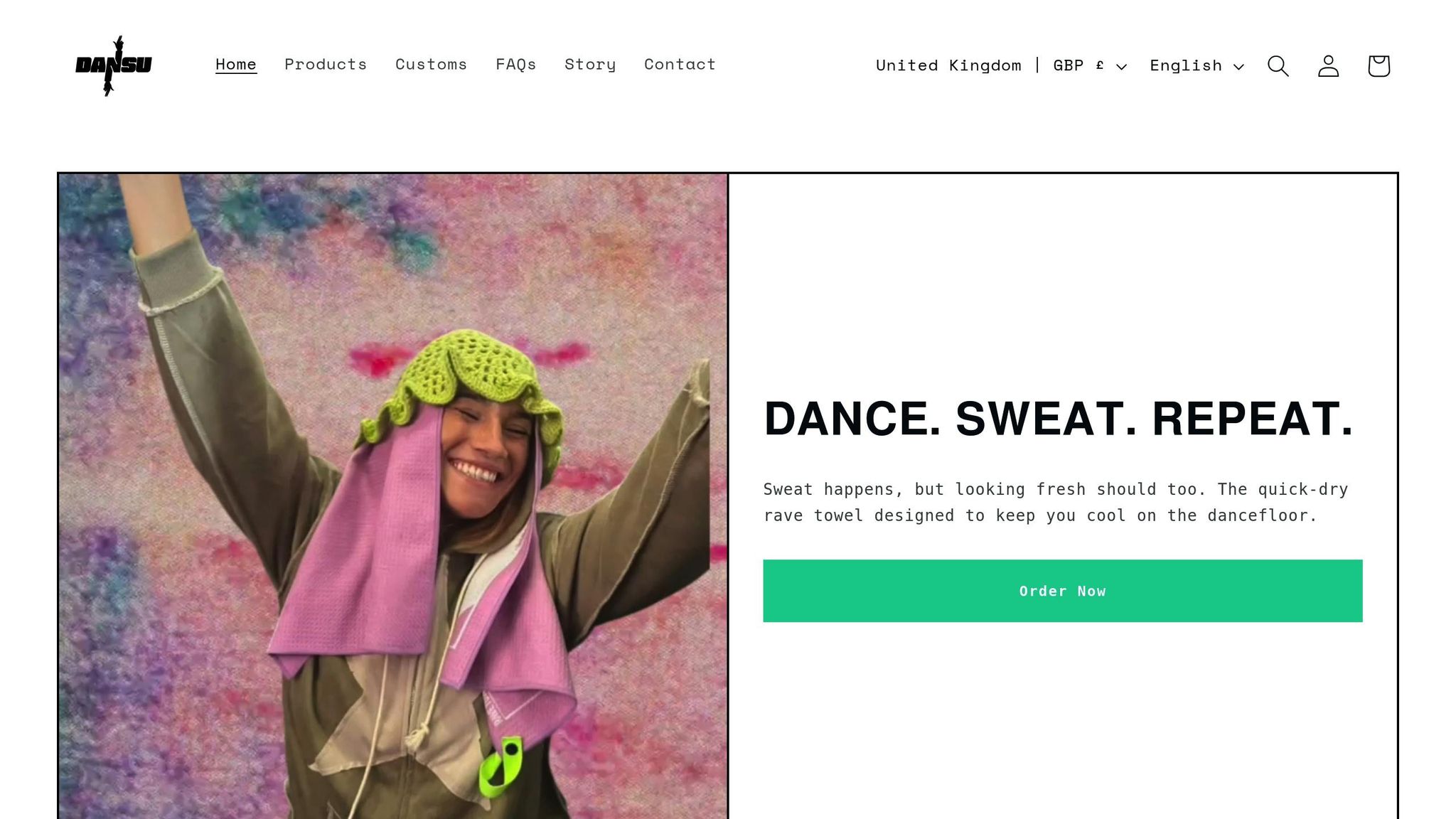
Festivals can be tough - crowded dance floors, unpredictable weather, and long hours mean staying fresh is a challenge. Dansu rave towels tackle this with their lightweight, quick-dry microfiber material that's ultra-absorbent and easy to carry. They're perfect for festivals, where portability and practicality are key.
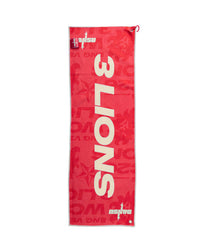
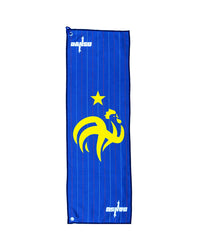
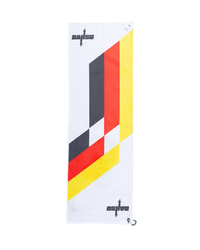
What really makes these towels stand out are their bold, eye-catching designs like SOUND WAVES, TWO STEPPER, and FLOWER POWER. These designs not only add a splash of style but also help groups create a shared identity. Plus, Dansu offers bundles like the DANCE DUO (£45.95) and the MAINSTAGE SET (four towels for £89.95), making it easier to ensure everyone in your group has the same high-quality gear. This avoids any awkward disparities and keeps everyone on the same page.
A clever feature is the built-in grommet, which lets you hang the towels at your campsite to create a shared "home base." This simple addition helps keep the group connected throughout the festival.
Interestingly, research indicates that groups with shared, branded items experience a 25% stronger sense of belonging and are more likely to stick together during events. Dansu even offers custom printing with no minimum order, so your group can create unique designs that strengthen that sense of togetherness. And while towels are a great start, there are plenty of other items that can enhance group unity.
Other Essentials for Group Bonding
Beyond towels, there are other practical items that can make a big difference in keeping your group cohesive. For instance, matching reusable water bottles are a simple yet effective way to encourage both hydration and a sense of shared responsibility. Handing these out at the start of the weekend sets a thoughtful tone and ensures no one is left scrambling for water during key moments.
Portable shelters, like pop-up tents or shade structures, are another must-have. These create natural gathering spots where your group can meet up, make decisions, or just take a breather from the crowds. With prices ranging from £40 to £120, they’re a worthwhile investment for better group coordination.
Lastly, group identification items like custom flags or matching wristbands make it much easier to spot each other in the chaos of a festival. These small touches reduce stress and help everyone stay connected, even in the busiest moments.
Choosing items that combine practicality, comfort, and a touch of creativity ensures your group has a positive and unified experience from start to finish.
Conclusion: Effective Festival Leadership
Leading a group through a festival weekend calls for a mix of flexibility, clear communication, and practical planning. The best festival leaders know that rigid plans often crumble when faced with the unpredictability of live events, shifting weather, and group dynamics. Instead, they remain adaptable while ensuring open and effective communication keeps everyone on the same page.
The three key traits we've discussed - flexibility, communication, and inclusivity - work together to create an atmosphere where groups thrive. Research highlights that high-performing teams are 50% more likely to have leaders who encourage open dialogue and diverse perspectives. This is especially relevant in the festival setting, where quick decisions and group consensus often make the difference between a smooth experience and unnecessary stress.
Your strategies act as the glue that holds the group together. Whether it’s organising a quick vote to settle on the next act to see or mediating minor disputes, swift and thoughtful action keeps the group moving forward. The ability to balance immediate problem-solving with a focus on the bigger picture is what makes a leader stand out.
Practical tools can also make a big difference. Items like Dansu rave towels not only add comfort but also create a sense of unity within the group. Whether it's the DANCE DUO bundle at £45.95 or the MAINSTAGE SET at £89.95, having matching, high-quality gear helps eliminate potential friction points and fosters a shared identity. This kind of cohesion makes it easier to manage the inevitable challenges that come with festival life.
Great leaders strike a balance between letting the group operate with autonomy and stepping in decisively when needed. Teams with clear goals report twice the satisfaction and success, but achieving those goals requires a leader who can read the situation, adjust their approach, and guide the group in the right direction.
Ultimately, your success as a festival leader isn’t about sticking to a perfect plan. It’s about how well your group tackles the unexpected, supports one another during tough moments, and creates those unforgettable memories that make festivals so extraordinary.
FAQs
What are some tips for festival leaders to maintain clear communication within their group during the busy festival environment?
To keep communication smooth and effective during a festival, leaders should prioritise clear and straightforward messaging that’s easy for everyone to follow. Since loud music and bustling crowds can make verbal communication tricky, consider using visual cues or hand signals. It’s also a good idea to set a central meeting spot and agree on a plan beforehand to reduce any potential confusion.
Building a sense of togetherness within the group is just as important. Little thoughtful gestures, like bringing along practical items such as Dansu’s quick-dry rave towels, can make a difference. These towels not only help keep everyone comfortable but also serve as a subtle nod to festival culture, reinforcing the group’s bond and helping everyone stay organised in the midst of the chaos.
How can group morale be kept high when unexpected changes, like bad weather or delays, disrupt festival plans?
Keeping group morale high during unforeseen changes calls for a blend of optimism, adaptability, and actionable solutions. Keeping a positive attitude and using uplifting communication can go a long way in keeping everyone motivated. Adjust plans swiftly to match the situation, and make sure everyone feels involved in the decision-making process. This sense of inclusion can help maintain a cohesive and upbeat atmosphere.
Sometimes, small practical items can make a huge difference. Take Dansu’s quick-dry microfiber towels, for example. These towels are lightweight, easy to carry, and incredibly handy for dealing with rain or unexpected delays. They help keep everyone comfortable and refreshed, ensuring that even when the weather takes a turn, your group stays in good spirits.
How can inclusive leadership improve group dynamics at festivals?
Inclusive leadership plays a key role in building an environment where everyone feels appreciated and heard. By promoting open dialogue, embracing different viewpoints, and involving all members in decision-making, it helps minimise misunderstandings and conflicts while ensuring that everyone’s needs are taken into account.
This kind of leadership strengthens bonds within the group, creating a more unified and enjoyable festival experience - whether you're dancing in the crowd or coordinating your next steps. When inclusion is at the heart of the group, it boosts the energy and creates a vibrant, welcoming atmosphere for everyone.