

How Rave Culture Shapes Youth Identity
Rave culture has profoundly influenced youth identity by offering a space for self-expression, connection, and experimentation. Rooted in the underground dance scenes of the 1980s, it has evolved into a global phenomenon while retaining its core ethos of Peace, Love, Unity, and Respect (PLUR). Here's what you need to know:
- Self-Expression: Ravers use dance, music, and bold fashion to explore and showcase their identity.
- Community: Events foster a sense of belonging and camaraderie, often described as a "family" or "tribe."
- Evolution: From illegal warehouse parties to mainstream festivals, rave culture has adapted while facing challenges from commercialisation.
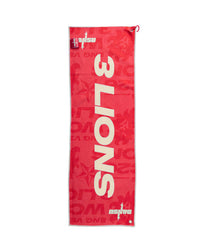
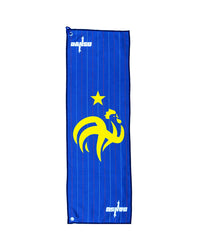
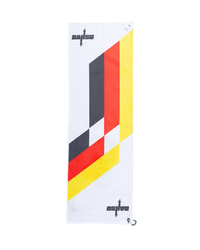
- Fashion & Gear: Practical yet expressive items, like Dansu's rave towels (£29.95), blend functionality with identity.
- Youth-Led Movements: DIY collectives are reclaiming the original spirit of raving, resisting the pressures of profit-driven events.
While commercialisation has introduced barriers, the movement's emphasis on connection and self-discovery ensures its lasting impact on young people. Whether through shared euphoria on the dance floor or symbolic fashion statements, rave culture continues to shape how youth see themselves and their place in the world.
The History and Development of Rave Culture
Where Rave Culture Began
Rave culture traces its origins back to the underground dance scenes of the late 1970s and 1980s, emerging as a rebellious response to mainstream society. These events rejected traditional norms, fostering tight-knit communities that relied on word-of-mouth to stay exclusive. Organisers intentionally chose unconventional venues like abandoned warehouses, desolate fields, and industrial spaces, making a bold statement against authority and the structured entertainment industry. Early ravers championed values of freedom and non-conformity, creating a countercultural movement that resonated deeply. This underground ethos would later take root and flourish in the UK rave scene.
The UK Rave Movement
The UK quickly became a hub for rave culture, especially during the "Second Summer of Love" in 1988–89, when acid house parties swept across the nation. In its infancy, the UK rave scene was largely illegal, with organisers hosting unauthorised gatherings that drew massive crowds. Legendary venues like The Haçienda in Manchester became pivotal, merging underground warehouse vibes with mainstream exposure, thanks to influential DJs such as Paul Oakenfold and Carl Cox. However, this rapid growth didn’t go unnoticed by authorities. The government responded with the Criminal Justice and Public Order Act 1994, which specifically targeted unlicensed events featuring "repetitive beats." This crackdown pushed the scene to adapt, transitioning from its rogue origins to more structured, licensed events. These formative years laid the groundwork for the vibrant and digitally connected rave culture we see today.
Rave Culture Today
Rave culture has come a long way from its underground beginnings, evolving into a global phenomenon while holding on to its core principles of self-expression and community. By 2019, the UK's dance music industry had grown to a staggering value of over £1.3 billion, reflecting the transformation of secret warehouse parties into major cultural milestones. Technology now plays a central role, with social media, live streaming, and digital DJing enabling global events and enhancing the sense of connection among participants.
The role of DJs has also shifted, symbolising the commercial growth of the scene. While mainstream success has brought rave culture into the spotlight, it has also sparked debates about balancing its original values with its commodified reality. Yet, grassroots initiatives and youth-led collectives continue to champion the movement's founding ideals of inclusivity and creative independence. A fascinating trend is the rise of "heritage raves", where older generations revisit their past in events that blend nostalgia with modern production.
Material culture has also become an integral part of the rave identity. Today’s festival gear combines practicality with personal style, reinforcing both individuality and a sense of belonging. Items like Dansu's quick-dry microfibre rave towels are perfect examples - designed for functionality during intense dancing while doubling as symbols of community and self-expression.
Despite its commercial evolution, rave culture remains a space for collective release and alternative forms of connection, offering participants an escape from conventional social norms and a chance to embrace something different. It’s a scene that continues to thrive, balancing the push and pull between its underground roots and its mainstream appeal.
The History and Politics of Rave Culture (UK)
How Rave Culture Builds Self-Expression and Community
Rave culture offers a vibrant space where young people can explore their identities and create meaningful connections through music, shared values, and unique styles. It’s a world where individuality and community coexist, celebrated through dance, a collective ethos, and bold fashion choices.
Music and Dance as Identity Expression
The dance floor is more than just a place to move - it's a space for self-discovery. Here, ravers develop their own movement styles, expressing their personalities and emotions through dance. The hypnotic beats of rave music encourage creative freedom, often challenging the social norms of daily life. Many ravers experiment with different dance styles, using this as a way to explore who they are. This process often allows them to defy societal expectations, revealing parts of themselves that might otherwise remain hidden.
For example, studies on Asian American youth in the rave scene highlight how dance helps them break stereotypes, balance dual cultural identities, and embrace their individuality. These personal expressions naturally feed into the collective ethos of rave culture, forming the bedrock of its PLUR values.
PLUR Values and Community Building
At the heart of rave culture is the philosophy of PLUR - Peace, Love, Unity, and Respect. These values foster a sense of inclusivity and mutual care among ravers. Symbolic acts like exchanging kandi bracelets, chanting together, or engaging in group dances break down social barriers, creating a close-knit community. Within this space, people from all walks of life come together to form what many describe as a family or tribe.
The PLUR ethos also plays a crucial role in conflict resolution and emotional support, promoting shared responsibility within the group. This supportive environment provides a safe space for young people to explore their identities while feeling protected and valued. Research shows that the rave subculture cultivates strong feelings of connection and camaraderie, offering a refreshing alternative to more competitive social settings.
Fashion and Festival Gear as Personal Identity
Fashion in rave culture is more than just clothing - it's an extension of identity and a symbol of belonging. Rave attire combines practicality with self-expression, allowing participants to showcase their individuality while aligning with the community’s aesthetic. The bold patterns and functional designs of rave gear serve both personal and group purposes.
Take Dansu’s quick-dry microfibre towels, for instance. Priced at £29.95, these towels feature rave-inspired designs, blending practicality with cultural flair. Their compact, ultra-absorbent design meets festival needs, while the vibrant patterns help ravers express their connection to the culture. Custom options like Dansu’s "DANCE DUO x2" bundle (£45.95) or the "MAINSTAGE SET x4" (£89.95) allow groups to create items that reflect their shared values. Features like built-in metal grommets for easy hanging at campsites highlight how these accessories are both functional and symbolic of community membership.
Rave fashion has also given rise to subgroups such as Candy Kids, Old School Ravers, and Party Kids, each with its own distinct style. This diversity allows individuals to find their niche while remaining part of the larger rave family. Through their clothing and accessories, ravers celebrate both their uniqueness and their sense of belonging, showing how material culture can beautifully intertwine personal and collective identity.
sbb-itb-ed87f5d
How Commercialisation Affects Youth Identity in Rave Culture
Rave culture has undergone a dramatic transformation, shifting from its rebellious, underground roots to a mainstream industry. This evolution has reshaped how young people express themselves, introducing a tug-of-war between staying true to the culture's origins and the pressures of commercial success.
Commercial Success vs Original Values
In the 1990s, raves were all about DIY grassroots organisation. These unlicensed, underground events, often held in warehouses, thrived on inclusivity and defiance of societal norms. They were spaces where young people could express themselves freely, away from the constraints of mainstream culture.
Fast-forward to today, and the scene looks very different. The move from illegal warehouse gatherings to licensed clubs and large-scale festivals has brought in professional management and profit-driven motives. DJs now enjoy celebrity status, complete with sponsorships and endorsements, which has shifted the spotlight from community-driven experiences to individual stardom.
This shift has altered how youth engage with rave culture. Instead of focusing on shared values and collective resistance, participation increasingly revolves around consumption - buying branded merchandise, attending pricey festivals, and curating a social media presence. The communal ethos that once defined raves now competes with commercial priorities, as events prioritise revenue over fostering a sense of community. The result? A cultural tension between the spontaneity of the past and the polished, profit-oriented present.
Youth-Led Rave Collectives
Not everyone has embraced this commercialisation. In response, young collectives are reclaiming the original spirit of rave culture. These groups are organising DIY events that prioritise creativity, inclusivity, and community over profit. By choosing unconventional venues, spotlighting local talent, and rejecting corporate sponsorships, they aim to preserve the authenticity of the scene.
For example, UK-based collectives like Keep Hush gained prominence in 2023 for hosting inclusive, community-focused raves that challenge the dominance of large festival brands. They leverage social media to build grassroots followings, creating spaces that reflect the original ethos of rave culture - spaces where young people can express themselves without commercial pressures.
These initiatives show that young people are not passive participants in a commercialised scene. Instead, they are actively shaping it, using creative strategies to maintain ownership and authenticity. By relying on word-of-mouth and operating outside mainstream channels, these collectives ensure that self-expression and community remain central to the rave experience.
Entrepreneurship has also become a tool for balancing cultural relevance with financial practicality. Take Dansu, for instance. The brand designs rave-inspired festival gear that’s both functional and culturally resonant. With custom merchandise services that offer no minimum order requirements and quick turnarounds, Dansu supports young organisers in keeping rave culture accessible and authentic.
Access and Participation Barriers
Commercialisation has introduced steep financial hurdles that threaten the inclusivity of rave culture. Expensive tickets, travel costs, and branded merchandise have turned what was once a low-cost, accessible movement into an exclusive experience.
For example, festival-specific items like quick-dry towels sell for £29.95, while bundle deals like the "Mainstage Set x4" are priced at £89.95. Although these items aren’t mandatory, the pressure to "look fresh" on the dance floor adds to the financial strain, making it harder for those with limited budgets to fully participate.
Mainstream events have also become more regulated and exclusive. Licensed venues often enforce dress codes, age restrictions, and heightened security measures, which can feel alienating compared to the open-door policy of the original warehouse raves. These barriers not only limit attendance but also impact how young people form their identities within the scene.
| Original Rave Culture | Commercialised Rave Culture |
|---|---|
| Unlicensed, DIY spaces | Licensed clubs and festivals |
| Grassroots, community-driven organisation | Professional, profit-focused management |
| Inclusive and affordable | Exclusive with high financial barriers |
| Anti-mainstream, communal identity | Brand-focused, materialistic expression |
| Youth-led creative ownership | Corporate-driven, commodified experiences |
When participation comes with a hefty price tag, rave culture risks becoming a privilege rather than a platform for self-discovery and community building. These financial and social barriers highlight the ongoing struggle to preserve the original values of rave culture while adapting to its commercial reality.
The future of rave culture depends on finding a balance between commercial interests and the preservation of its roots. Youth-led initiatives continue to prove that authentic, community-driven experiences can thrive, even in a landscape increasingly shaped by profit.
The Physical and Sensory Experience of Raving
Beyond the cultural and emotional aspects of raving, the physical and sensory elements are just as essential in shaping youth identity. Raving is a full-body experience, where music isn't just heard but felt. The deep bass vibrating through your chest, the collective rhythm of a crowd moving as one - these sensations create a shared experience that words can’t quite capture. Even the festival gear ravers wear becomes a part of this physical and communal connection.
Group Dancing and Shared Experience
When people dance together, something extraordinary happens. Individual movements merge into a collective flow, breaking down personal barriers and creating a sense of unity. The pounding bass, felt deep in the body, fuels a euphoric energy. In these moments, smiles exchanged, eye contact held, and the synchronised pulse of movement communicate without words. This non-verbal connection fosters mutual respect and a profound sense of belonging. For many, this immersive environment feels almost ritualistic, even spiritual - an experience that leaves a lasting impact.
Festival gear adds another layer to this sensory and communal experience, blending practicality with personal and group expression.
Festival Gear as Function and Symbol
In the high-energy world of raving, even the most practical items carry deeper meaning. Take Dansu's quick-dry rave towels, for instance, priced at £29.95. These aren’t just for wiping away sweat after hours of dancing; they’ve become essential accessories that combine function with cultural identity. Crafted from ultra-absorbent microfibre, these towels are designed for the physical demands of all-night raving in packed, sweltering venues. But it’s the bold designs - like "SOUND WAVES", "TWO STEPPER", "FLOWER POWER", and "GUN FINGER" - that connect them to the visual language of rave culture.
Every detail of these items contributes to the experience. The soft texture of the towel, the practical metal grommet for easy carrying, and the eye-catching patterns all enhance both performance and self-expression. Dansu even offers bundle deals like the "MAINSTAGE SET x4" at £89.95 (down from £119.95), allowing groups of friends to coordinate their gear. This balance of individuality and group identity is a hallmark of rave culture.
Specialised rave gear like this reflects how functionality and self-expression have become intertwined. With options for custom merchandise and no minimum orders, Dansu embraces the DIY spirit that’s so integral to the rave scene. In this culture, nothing is purely practical - everything, from the music to the movement to the accessories, carries a deeper meaning. It’s all a way for young people to express who they are and how they fit into the community.
The textures, visuals, and tactile sensations of rave gear are part of what makes raving such a rich sensory experience. Every detail contributes to the celebration of identity and the collective joy of belonging.
Conclusion: Rave Culture's Impact on Youth Identity
Rave culture has long played a unique role in shaping youth identity, blending music, self-expression, and a sense of belonging. From its underground beginnings in the UK to its ever-changing modern form, it offers rare spaces where young people can express themselves freely and connect with others on a deeper level.
At its heart are the PLUR values - Peace, Love, Unity, and Respect - which foster empathy, tolerance, and social skills that extend far beyond the dance floor. These aren't fleeting experiences; they leave a lasting mark on how participants see themselves and relate to the world.
What sets rave culture apart is its physical, immersive nature. In an era dominated by digital interactions, raving demands being present - feeling the collective rhythm, sharing moments of joy, and forming real, tactile connections. These shared experiences become powerful memories that shape identity. Even the small details, like Dansu's £29.95 rave towels, highlight how functional items can carry deeper meaning, allowing individuals to express themselves while staying comfortable through hours of dancing.
The commercialisation of rave culture brings both opportunities and challenges. While its mainstream growth allows more young people to join in, there's an ongoing push-and-pull between staying true to the culture's roots and embracing wider success. Encouragingly, the rise of youth-led collectives demonstrates how young people are navigating this balance, creating spaces that honour the original spirit of raving while adapting it for today’s world.
Looking ahead, rave culture shows incredible staying power. Its ability to evolve - from hidden warehouse gatherings to festival stages - while holding onto its core values of inclusivity, creativity, and community, ensures its relevance across generations. It remains a space where young people can reclaim a sense of agency, connect authentically, and experience the joy of belonging to something bigger than themselves. This is about more than music or fashion; it touches on fundamental human needs for expression, acceptance, and connection.
The impact of rave culture extends beyond the individual. Its emphasis on diversity, creativity, and mutual respect often inspires participants to carry these values into their everyday lives, fostering more inclusive and empathetic communities. In doing so, rave culture not only shapes personal identity but also contributes to building a society where self-expression and collective values go hand in hand.
FAQs
How has the rise of commercialisation affected the values and community spirit of rave culture?
The commercialisation of rave culture has stirred up a mix of opportunities and concerns. On the one hand, it’s made the scene more open and visible, inviting a broader audience to immerse themselves in its music and electrifying energy. But on the other hand, some worry that this shift might pull it away from its underground roots - those raw, unfiltered spaces where self-expression, inclusivity, and a tight-knit sense of community were at the heart of it all.
Even with these shifts, the essence of rave culture - celebrating individuality, movement, and human connection - remains alive and well. Brands like Dansu, inspired by the bold aesthetics of this scene, contribute to keeping its spirit intact. By crafting innovative and practical accessories tailored for festivals and dancefloors, they honour the culture’s dynamic identity while enhancing the overall experience.
How do youth-led rave collectives keep rave culture authentic as it becomes more mainstream?
Youth-led rave collectives are keeping the heart of rave culture alive by sticking to a DIY approach, building a strong sense of community, and putting self-expression above profit. These groups organise independent events in unexpected venues, crafting inclusive spaces that embrace individuality and creativity.
By pushing back against mainstream influences and staying loyal to the core principles of rave culture - freedom, connection, and artistic expression - they ensure the scene stays dynamic and true to its roots. Their dedication creates a haven where young people can explore who they are while feeling deeply connected to a like-minded community.
How do Dansu's rave towels help express individuality and build community in rave culture?
Dansu's rave towels are all about embracing individuality while creating a sense of togetherness in the rave scene. With their eye-catching designs and practical use, these towels let festival-goers express their personal style and stay comfortable during those intense, high-energy moments.
Merging functionality with rave-inspired visuals, these towels capture the essence of self-expression and shared experiences that are at the heart of rave culture. They're not just a practical item - they represent connection, movement, and the feeling of belonging that unites fans of dance music.